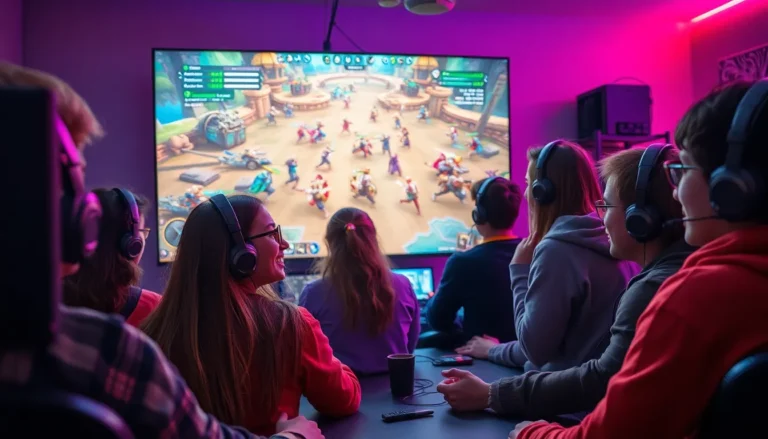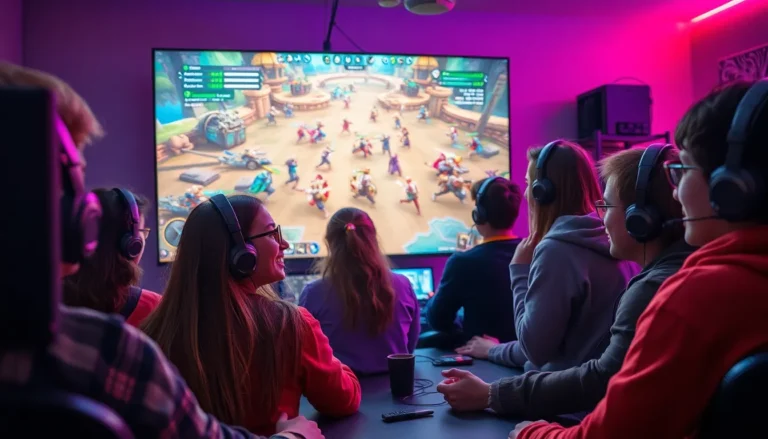

In the fast-paced world of gaming, esports teams are the rock stars of the digital arena. These squads aren’t just playing for bragging rights; they’re battling for glory, sponsorships, and a slice of that juicy prize pool. Picture this: a group of gamers, fueled by energy drinks and pizza, strategizing their way to victory while the world watches. It’s like a sports movie, but with more pixels and fewer injuries.
As esports continues to explode in popularity, understanding these teams becomes essential. They’re not just a collection of players; they’re a well-oiled machine, each member bringing unique skills to the table. From the sharpshooters to the strategists, every role is crucial. So, whether you’re a seasoned gamer or just curious about this phenomenon, dive in and discover what makes esports teams the ultimate champions of the virtual world.
Overview of Esports Teams
Esports teams thrive as specialized groups within the competitive gaming landscape. They focus on collaboration and distinct strategies, enhancing both player skill sets and overall performance.
Definition and Purpose
Esports teams consist of players organized to compete in video game tournaments. Their main purpose focuses on achieving high rankings and winning competitions. Players contribute individual skills, yet the collective effort drives success. Team dynamics significantly influence outcomes, emphasizing communication and tactics. Sponsorships and media attention further boost their visibility in the gaming community. Teams provide a platform for players to showcase talent and build careers.
History and Evolution
The origins of esports teams trace back to the late 20th century. Early gaming competitions featured informal gatherings where players competed for recognition. As technology progressed, organized tournaments gained popularity. The rise of the internet catalyzed the formation of structured teams, fostering competitive play. By the mid-2000s, franchises emerged, leading to the globalization of esports. Major titles spawned professional teams that established themselves in leagues and tournaments. The evolution continues, expanding to diverse games and international competitions that showcase player skill and teamwork.
Types of Esports Teams
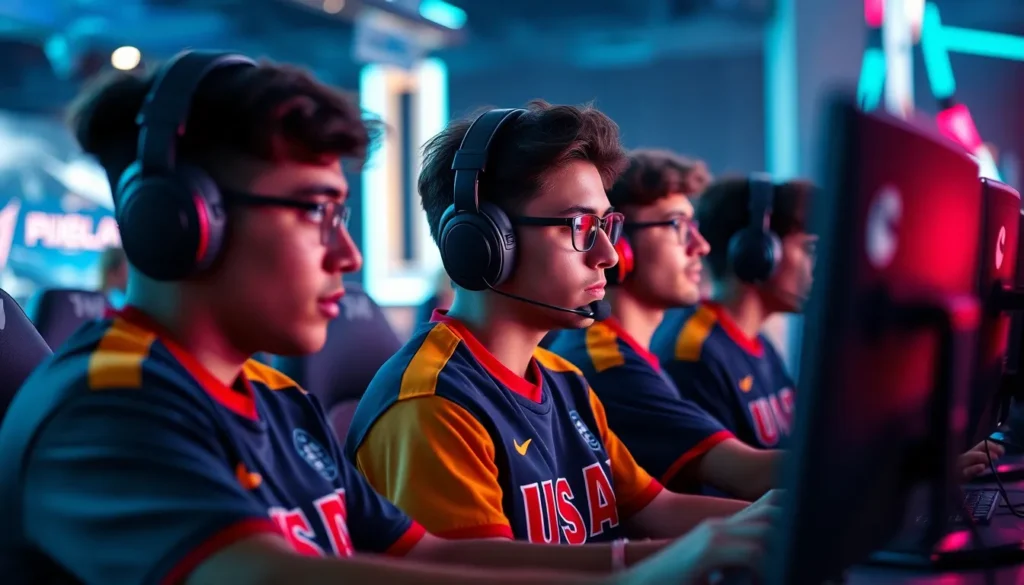
Esports teams come in various formats, catering to different levels of play and commitment. Among these, professional teams and amateur teams stand out as the main categories.
Professional Teams
Professional teams consist of highly skilled players who compete at the highest levels. These teams participate in major tournaments, often attracting sponsorships from big brands. Each member usually specializes in a specific role, ensuring optimized performance during competitions. Professional teams often train rigorously, sometimes practicing for several hours daily. Their success relies not only on individual skills but also on effective teamwork and strategy. Renowned organizations like Team Liquid and Fnatic exemplify the dedication and commitment required to thrive in the competitive landscape of esports.
Amateur Teams
Amateur teams serve as a foundational level for aspiring gamers. These teams include players who engage in less formal competitions, often focusing on skill development and enjoyment of the game. Players in amateur teams participate in local tournaments or online leagues, allowing them to gain experience and build camaraderie. Often, these teams provide a pathway for players to transition into professional ranks. While competition may be less intense, the spirit of collaboration and growth remains vital. Many amateur teams foster strong community ties, creating spaces for players to connect and share their passion for gaming.
Key Factors for Success
Esports teams succeed through a combination of player skills, team dynamics, and effective coaching. Each aspect plays a pivotal role in achieving competitive excellence.
Player Skills and Roles
Players contribute unique skills that define their roles within a team. One player might excel in strategy, while another focuses on mechanics. Roles such as tank, support, and damage dealer are common in games like League of Legends and Overwatch. Mastery of individual abilities enhances overall gameplay. Teams frequently emphasize continuous practice and skill development to maintain an edge over competitors. Commitment to training ensures players stay sharp and adaptable during matches.
Team Dynamics and Communication
Effective communication fosters strong team dynamics, essential for success in high-pressure situations. Clarity in callouts and strategy discussions can lead to decisive victories. Each player must understand their role and how it fits within the larger strategy. Trust among teammates encourages collaboration and improves performance. Regular practice sessions often include team-building exercises to strengthen relationships and improve communication. Understanding each player’s strengths and weaknesses further enhances synergy during competition.
Coaching and Management
Coaches play a crucial role in developing both player skills and team strategies. They analyze gameplay, identify weaknesses, and develop tailored training programs. Effective management ensures that the team maintains a healthy work-life balance, preventing burnout. Coaches also facilitate communication between players and management, ensuring everyone is aligned with team goals. Regular feedback sessions help players improve and adapt their strategies based on performance. Ultimately, strong leadership drives a team’s success in the competitive esports landscape.
Popular Esports Teams
Esports teams dominate the competitive gaming landscape, showcasing exceptional skills and teamwork. Various teams have made significant impacts across multiple games.
Notable Teams in Different Games
Team Liquid excels in multiple titles, ranging from Dota 2 to VALORANT. Fnatic stands out in League of Legends, demonstrating consistent performance in international tournaments. Cloud9 remains a force in Counter-Strike, highlighting their rigorous training and strategic gameplay. G2 Esports pushes boundaries in Rainbow Six Siege, while TSM continues to impress in Apex Legends. All these teams contribute to the diversity and excitement within the esports community.
Achievements and Milestones
Team SoloMid achieved notable success by winning several North American championships in League of Legends. Samsung Galaxy claimed the 2017 World Championship, marking a historic moment in esports history. Evil Geniuses became the first team to win The International in Dota 2, setting a precedent for future competitions. FaZe Clan secured premier titles in Counter-Strike, solidifying their reputation. Each of these milestones highlights the remarkable evolution and achievements of esports teams on a global stage.
The Future of Esports Teams
The future of esports teams looks promising with rapid advancements in technology and increasing global interest. Teams evolve to adapt to trends that shape competitive gaming.
Emerging Trends
Innovative technologies, such as virtual reality and augmented reality, attract new fans and enhance gameplay experiences. Streaming platforms like Twitch and YouTube Gaming expand visibility for teams and players. Additionally, partnerships with traditional sports franchises exemplify the blending of esports with mainstream entertainment. Teams now focus on brand-building strategies, maximizing fan engagement through social media. Furthermore, the inclusion of women’s and diversity-focused teams leads to a more inclusive environment within esports. Player wellness initiatives emphasize mental health, helping athletes perform better under pressure. An increase in collegiate leagues offers pathways for aspiring players to join professional ranks.
Potential Challenges
Despite their growth, esports teams face significant challenges. Competition increases as more teams enter the landscape, raising the stakes for sponsorships. Financial instability affects many teams, especially those reliant on prize money. Maintaining player retention poses another hurdle, as talented individuals often receive offers from multiple teams. Work-life balance becomes crucial, as intense training can lead to burnout. Additionally, issues related to team cohesion arise, impacting performance during crucial matches. Addressing toxic behaviors within teams ensures a healthier competitive environment. Legal concerns related to contracts and sponsorships also present ongoing obstacles teams must navigate.
Esports teams have transformed the landscape of competitive gaming into a vibrant and dynamic arena. Their evolution from informal gatherings to professional franchises showcases the immense dedication and skill required to succeed. As technology continues to advance and the audience grows, these teams are set to thrive even further.
The focus on teamwork, strategy, and individual skills remains paramount. With a bright future ahead, esports teams are not only shaping the gaming industry but also cultivating a diverse and inclusive community. As they navigate challenges and embrace opportunities, the impact of these teams will resonate far beyond the digital world.