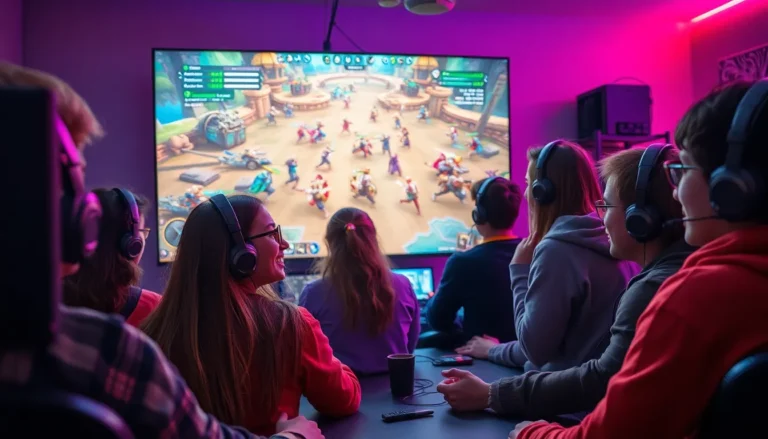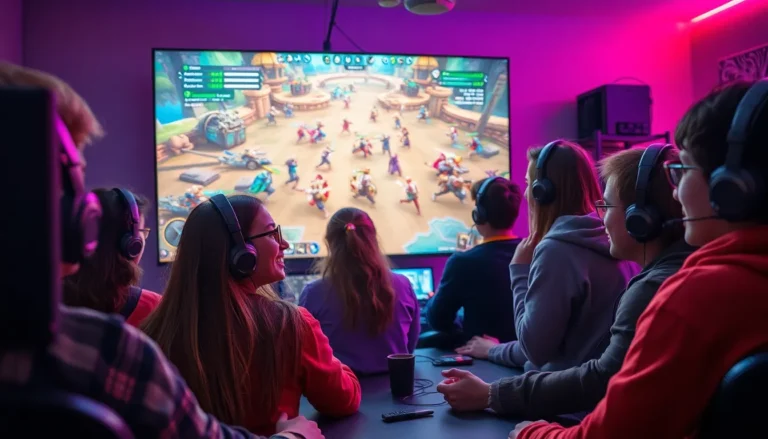

In a world where dragons roam and heroes rise, multiplayer RPGs invite players to dive into epic adventures alongside friends and strangers alike. Imagine slaying a fearsome beast while sharing a laugh with your buddy who insists on playing as a wizard—complete with a sparkly robe. These games aren’t just about quests; they’re about forging friendships, battling foes, and occasionally arguing over who gets the last piece of loot.
Overview of Multiplayer RPG
Multiplayer RPGs offer immersive experiences that draw players into vibrant worlds rich with quests and lore. Players inhabit unique characters, customizing abilities and appearances to fit their play styles. These games typically focus on collaboration, allowing teams to tackle challenging scenarios together.
Epic battles often highlight the thrilling dynamics of multiplayer RPGs. Characters implement various strategies to defeat formidable foes, emphasizing teamwork and communication. Throughout these adventures, friendships form, enriching the overall gaming experience.
Communities surrounding these games often extend beyond the screen. Players frequently engage through forums and social media, discussing strategies, trading items, or simply sharing their gaming experiences. Events hosted by developers, such as in-game competitions or seasonal festivals, strengthen this sense of community.
Progression systems also play a crucial role in shaping the gameplay. Leveling up characters provides players with a sense of achievement, unlocking new skills and gear. Many RPGs include diverse character classes, allowing players to experiment with different roles during gameplay.
Customization deepens engagement, with players creating unique combinations of characters. Crafting systems enable the creation of powerful weapons or enchanted gear, enhancing the player’s effectiveness in battle. Through exploration, players discover hidden treasures or unlock secret quests, adding layers to the gameplay.
Multiplayer RPGs create a dynamic blend of collaboration and competition, promoting social interaction and a shared sense of adventure. Players fully immerse themselves in these interconnected worlds, leading to memorable moments and experiences.
Key Features of Multiplayer RPGs
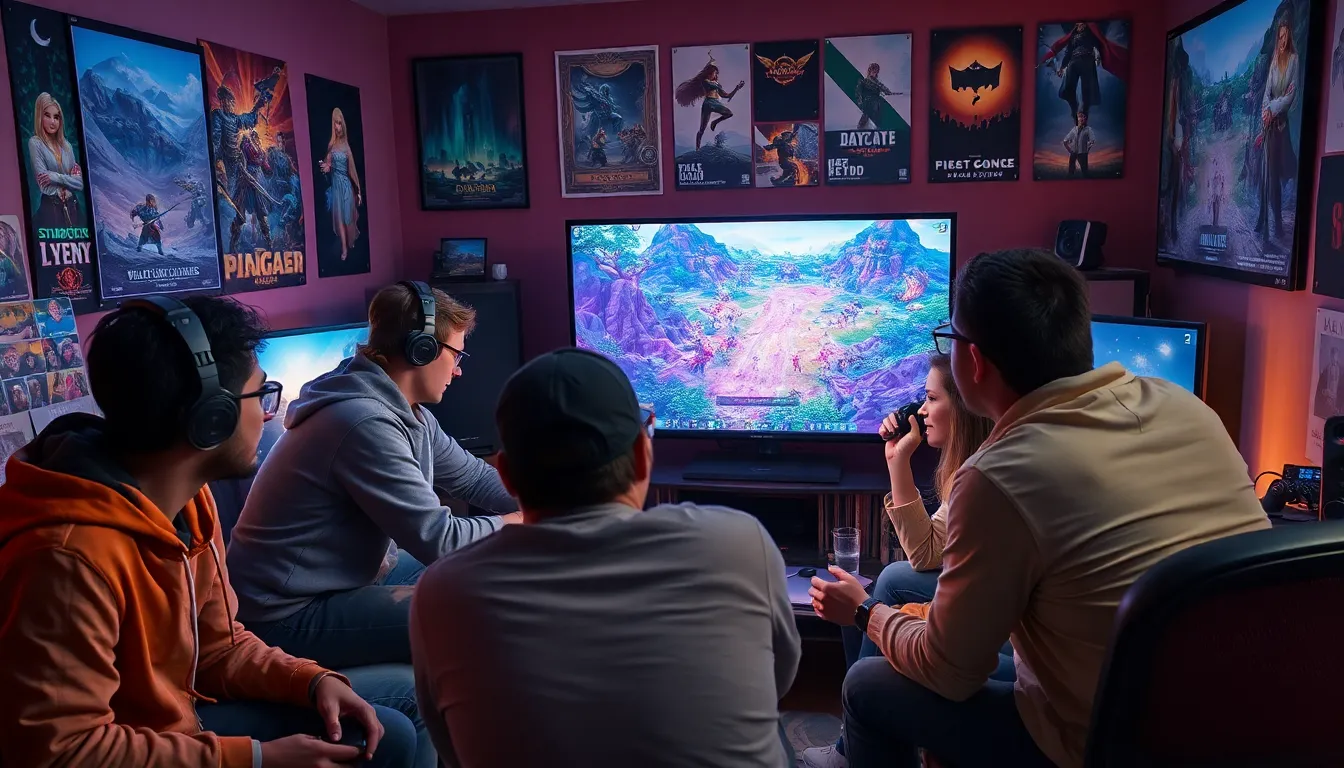
Multiplayer RPGs stand out due to their unique blend of cooperation and competition. These features captivate players and enhance the overall gaming experience.
Cooperative Gameplay
Cooperative gameplay allows players to work together towards common goals. Each player’s unique character abilities contribute to completing quests, defeating powerful foes, and exploring vast landscapes. Teams often strategize, emphasizing communication and collaboration to overcome challenges. Players can join forces in guilds or parties, offering support to one another. Shared tactics lead to thrilling moments as players unleash combined attacks against formidable opponents. Group dynamics play a significant role, as friendships form and evolve through shared victories and experiences.
Competitive Elements
Competitive elements inject excitement into multiplayer RPGs. Players can engage in player-versus-player battles, testing skills against others. Rankings and leaderboards foster a sense of achievement, motivating individuals to improve their gameplay. Tournaments or events often take place, providing opportunities for players to showcase their talents. Contestants compete not just for glory but also for valuable in-game rewards. These competitive features create an exhilarating balance between collaboration and rivalry, adding depth to the gaming experience.
Popular Multiplayer RPG Titles
Players immerse themselves in various multiplayer RPGs, each offering unique worlds and experiences. Below are two standout titles in this genre.
Game 1 Overview
“Final Fantasy XIV” offers a vast, enchanting world filled with intricate lore and diverse classes. Players embark on epic quests, join forces in raids, and engage in player-versus-player battles. With regular expansions, such as “Endwalker,” it continuously evolves, introducing new content and features. This title promotes deep character customization, allowing for unique skill combinations. Community events and seasonal festivals enhance player interaction, creating a vibrant social atmosphere. Players often form alliances, turning these connections into lasting friendships.
Game 2 Overview
“The Elder Scrolls Online” captivates with its rich storytelling and expansive landscapes. Players traverse Tamriel, participating in quests that shape the world around them. Engaging in various activities, such as crafting, trading, and participating in large-scale PvP battles fuels the experience. Unique character skill lines and alliance systems allow for diverse gameplay styles. Frequent updates and DLCs, like “High Isle,” introduce fresh content and gameplay mechanics. The game encourages collaboration through guilds and community events, fostering a strong player base and interaction.
Advantages of Multiplayer RPGs
Multiplayer RPGs offer unique benefits that enhance the gaming experience. Players engage with others, fostering connections that go beyond the game itself.
Social Interaction
Players build friendships while embarking on quests together. Communication occurs through voice chat, in-game messaging, and social media platforms. Cooperation during battles creates bonds among teammates. Engaging in guilds or alliances adds a layer of camaraderie. Server communities provide forums for players to share strategies or organize events. These interactions strengthen relationships, enriching the overall gaming experience.
Customization and Progression
Character customization plays a significant role in expression and creativity. Players can tailor abilities and appearances to match personal preferences. Progression systems reward players with new skills, enhancing feelings of achievement. Unique skill trees encourage exploration of diverse gameplay styles. Players discover powerful weapons and hidden treasures during their adventures. Together, these elements deepen engagement and enhance the sense of accomplishment within the game.
Challenges in Multiplayer RPGs
Multiplayer RPGs face several challenges that impact player experience. The following sections explore key issues that developers and players encounter.
Balancing Issues
Balancing gameplay remains a significant hurdle in multiplayer RPGs. Different character classes, abilities, and gear create disparities in strength. Players often find certain builds dominating the competitive landscape, leading to frustration. Adjustments made for balance can alienate specific player groups or dilute unique playstyles. Developers frequently release patches to address these inconsistencies while striving to maintain game integrity. Constant monitoring and player feedback contribute to improving balance, yet the challenge persists.
Community Toxicity
Community toxicity poses a challenge for many multiplayer RPGs. Negative interactions can detract from the collaborative experience these games offer. Toxic behavior, such as harassment or bullying, can discourage players from participating in social aspects. Developers implement reporting systems and moderation tools to mitigate these issues. However, fostering a positive community requires ongoing effort and engagement. Educational initiatives promoting respectful communication can cultivate better relationships between players.
Multiplayer RPGs offer a unique blend of adventure and social interaction that keeps players coming back for more. The ability to customize characters and engage in cooperative gameplay creates a rich experience that fosters community and camaraderie. Players not only embark on epic quests but also build lasting friendships through shared challenges and victories.
While challenges like balancing issues and community toxicity exist, the ongoing efforts of developers to enhance gameplay and promote positive interactions help maintain the integrity of these vibrant worlds. As players dive into titles like “Final Fantasy XIV” and “The Elder Scrolls Online,” they discover that the journey is just as important as the destination. The thrill of collaboration and competition continues to captivate gamers, ensuring that multiplayer RPGs remain a beloved genre for years to come.