
Table of Contents
ToggleChipotle has carved out a niche in the fast-casual dining scene, known for its fresh ingredients and commitment to quality. One of the key components of its flavorful offerings is the tortilla, a staple that holds together its beloved burritos and tacos. But where do these tortillas come from?
Understanding the sourcing of Chipotle’s tortillas reveals a deeper commitment to sustainability and authenticity. The company prides itself on using ingredients that align with its values, which includes partnering with suppliers who share a dedication to high standards. As consumers become more conscious of their food choices, the story behind these tortillas becomes increasingly important. Let’s dive into the origins of Chipotle’s tortillas and discover what makes them stand out.
Overview of Chipotle’s Tortilla Source
Chipotle sources its tortillas primarily from a select group of suppliers dedicated to maintaining high standards of quality and authenticity. The company emphasizes the use of non-GMO ingredients, aligning with its commitment to sustainability. These suppliers prioritize responsibly sourced wheat, ensuring that the tortillas are free from artificial preservatives and additives.
Chipotle partners with a range of tortilla producers across the United States. This network allows for consistent quality and supply chain efficiency. Each tortilla production process meets strict safety and quality standards, guaranteeing that customers receive fresh and flavorful products in their meals.
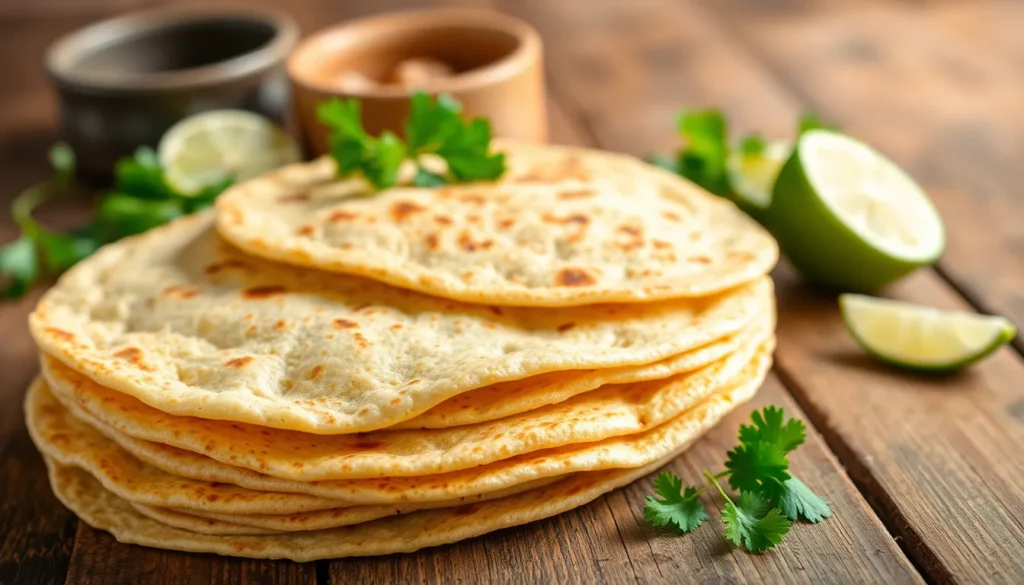
The tortillas used in Chipotle’s burritos and tacos are crafted with care. Each tortilla is made from high-quality flour, reflecting traditional methods while incorporating modern food safety practices. This approach not only enhances flavor but also supports local economies and sustainable agriculture initiatives.
The Importance of Tortilla Quality
Tortilla quality plays a crucial role in the overall dining experience at Chipotle. It affects flavor, texture, and the authenticity of its offerings, making it a key component in the brand’s commitment to fresh, high-quality ingredients.
Factors Affecting Tortilla Choice
- Ingredient quality: Chipotle prioritizes non-GMO ingredients and responsibly sourced wheat, ensuring that tortillas meet high quality standards.
- Production methods: Traditional production methods enhance flavor, while modern food safety practices ensure consistent quality and safety throughout the process.
- Supplier partnerships: Chipotle collaborates with a select group of suppliers who are committed to sustainability and maintaining strict quality control measures.
- Local sourcing: Sourcing tortillas from producers across the United States supports local economies and promotes sustainable agricultural practices.
Consumer Expectations
- Freshness: Customers expect fresh ingredients, making the quality of tortillas essential for an enjoyable meal.
- Flavor: Tortillas need to complement fillings, influencing overall taste and satisfaction.
- Authenticity: Consumers look for genuine flavors, prompting Chipotle to focus on sourcing tortillas that reflect traditional methods.
- Dietary considerations: Many diners seek tortillas that cater to health-conscious choices, increasing demand for high-quality, wholesome options.
Where Does Chipotle Get Their Tortillas?
Chipotle sources its tortillas from a select network of suppliers dedicated to high-quality ingredients and sustainability. This commitment ensures that every tortilla served meets the brand’s standards for authenticity and taste.
Suppliers and Partnerships
Chipotle collaborates with multiple trusted suppliers who specialize in tortilla production. These partnerships focus on non-GMO ingredients, emphasizing sustainable farming practices. Each supplier follows strict quality control measures to guarantee that the tortillas are fresh and authentic. For instance, one of Chipotle’s main suppliers utilizes traditional methods to produce tortillas, enhancing flavor and improving texture. Chipotle’s relationships with these suppliers enable transparency in sourcing, ensuring that the supply chain aligns with the company’s values on health and sustainability.
Geographic Sourcing
Chipotle’s tortillas originate from various locations across the United States. The geographic diversity of suppliers allows the company to maintain a consistent supply while supporting local economies. By sourcing locally whenever possible, Chipotle reduces its carbon footprint and fosters sustainable agriculture. This regional approach not only supports farmers but also ensures access to high-quality wheat and flour necessary for producing their tortillas. Chipotle prioritizes suppliers who practice responsible farming, further solidifying its commitment to environmental stewardship.
The Role of Sustainability
Sustainability plays a vital role in Chipotle’s sourcing strategy for tortillas. The company actively partners with suppliers who prioritize ethical and environmentally responsible practices.
Ethical Farming Practices
Chipotle collaborates with suppliers committed to ethical farming practices. These suppliers ensure farmers receive fair wages and work in safe conditions. The use of non-GMO ingredients reflects a dedication to consumer health and transparency. Many tortilla producers implement regenerative farming techniques that enhance soil health and reduce pesticide use, contributing to a more sustainable agricultural ecosystem.
Environmental Impact
Chipotle’s sourcing network minimizes environmental impact by supporting local suppliers. This approach reduces transportation emissions and promotes regional economies. By sourcing ingredients within the United States, Chipotle shortens supply chains, enhancing freshness while decreasing carbon footprints. Additionally, suppliers adopt sustainable farming practices that conserve water and protect biodiversity, aligning with Chipotle’s mission to prioritize environmental stewardship in its operations.
Chipotle’s dedication to quality and sustainability shines through in its tortilla sourcing. By partnering with trusted suppliers who prioritize non-GMO ingredients and responsible farming practices, the company ensures that each tortilla meets high standards of flavor and authenticity. This commitment not only enhances the dining experience but also supports local economies and promotes environmental stewardship.
As consumer preferences continue to evolve, Chipotle remains focused on delivering fresh and flavorful tortillas that align with its mission. The thoughtful sourcing of ingredients reflects a broader commitment to ethical practices in the food industry, making Chipotle a leader in fast-casual dining. With every bite, diners can appreciate the care that goes into crafting their meals.